
Multifunctional Bioinspired Stents for Malignant Colorectal Obstruction
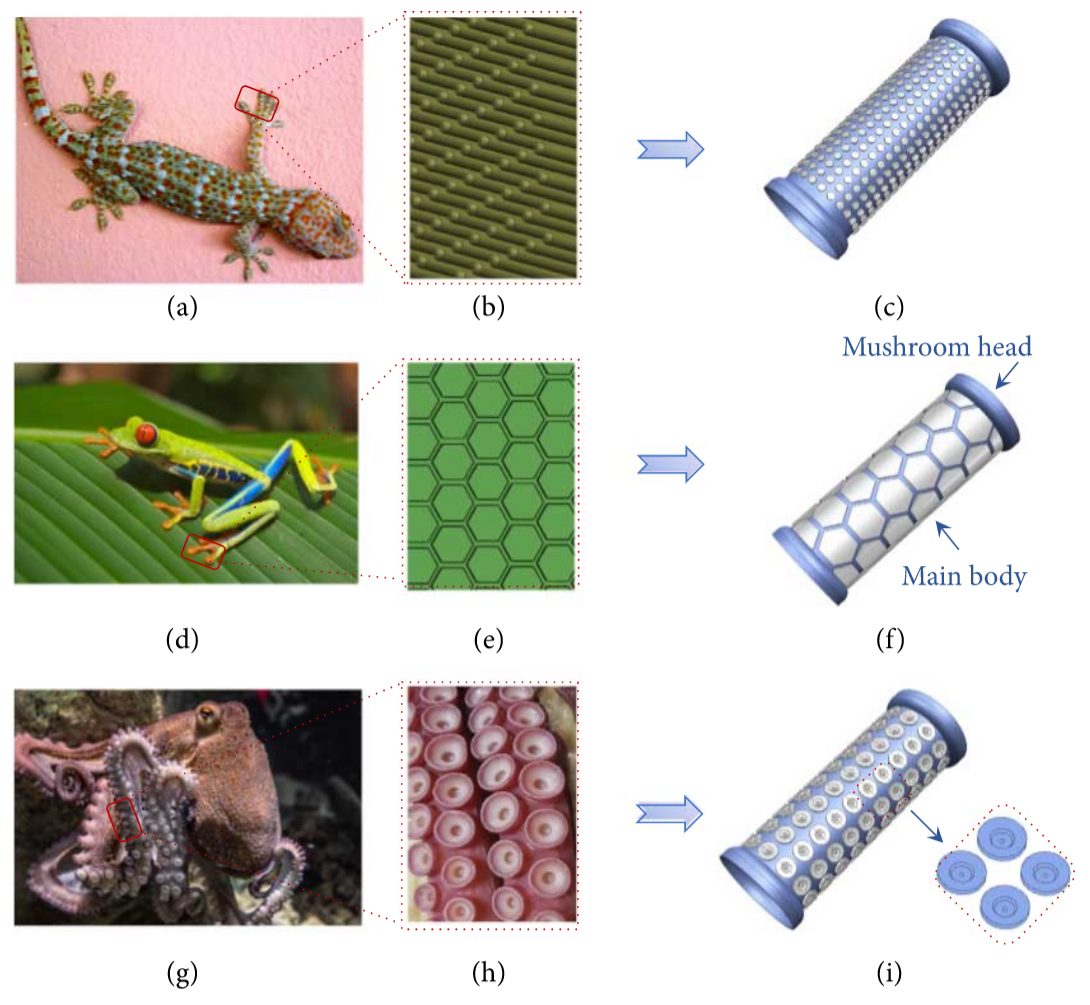
Fig. Design of bioinspired colorectal stents
Colorectal cancer is the third most common cancer worldwide, with more than 1.8 million new cases diagnosed in 2018 (World Cancer Research Fund International). Approximately 7%-29% of patients with colorectal cancer suffer from acute colorectal obstruction, a life-threatening condition requiring urgent decompression. If not treated effectively, the mortality rate can be as high as 80% to 90% within five years. Because of the severe side effects and endless pain caused by traditional treatments of surgical removal and chemo/radiotherapy, stent placement is an efficient method to alleviate malignant obstruction in patients with advanced disease, extra-colonic malignancy, high surgical risk, and poor general health. Since the first report of self-expanding metal stents (SEMS) by Dohmoto, SEMS has been widely used for malignant obstruction. However, due to the lack of sustained anti-tumor ability, tumor growth into the lumen of the stent remains a serious problem, with a 100% probability of tumor occurrence in bare SEMS. Although conventional partially/fully covered SEMS developed based on bare SEMS can inhibit tumor ingrowth to some extent, unfortunately, tumors can still be found in 53% of patients with these stents. More seriously, partially/fully covered stents lead to a high risk of stent migration, with an overall migration rate of up to 30% to 50%. Hence, the development of multifunctional colorectal stents with anti-tumor and anti-migration abilities is of great significance to meet the urgent demands of the treatment of malignant obstruction.
Professor Jinsong Leng's team at Harbin Institute of Technology (Harbin, China) proposes a simple and effective strategy to successfully integrate anti-tumor, anti-migration, and drug-loading capabilities into a single 3D printed bioinspired colorectal stent.
Three types of bioinspired colorectal stents were developed to reduce migration based on highly adhesive biological structures in nature, including gecko feet, tree frog toe pads, and octopus suckers. These three biological structures have the following distinctive features to ensure high adhesion: the countless setae on the toes of the gecko’s feet allow the gecko to traverse vertical surfaces at a speed of more than 1 m s-1; the hexagonal microstructure separated by narrow passages on the tree frog toe pads ensures that the tree frog can adhere firmly during climbing; the octopus sucker, consisting of a hole and a dome-like protuberance, is fastened to the base through the void generated by its structural depression. The stent is composed of the main body and the mushroom heads at both ends, which mushroom heads are designed to further reduce migration.
The advancement of this work lay in: 1) The functionalized non-mesh bioinspired stent minimized the risk of tumor growth into the lumen of the stent. It not only physically prevented tumor inward growth but also ensured complete ablation of the tumor through prominent photothermal performance. 2) The stent with bioinspired surface microstructures greatly improved the anti-migration force of the stent and reduced the probability of stent migration. The anti-migration force of the bioinspired stent was increased by up to 470% compared to the stent without surface microstructure. Braided mesh stents in previous work increased the risk of tumor growth into the lumen of the stent and increase the tendency for re-obstruction, which may require a second operation. 3) In addition, compared with the traditional braiding method, the bioinspired stent was prepared by additive manufacturing, which allowed for the customization of the stent and the implementation of precision medicine, thus avoiding tissue wear and other complications caused by the mismatch.
All the results demonstrate the multifunctional bioinspired colorectal stent is a promising candidate for the treatment of malignant colorectal obstruction. Besides, it is worth noting that the manufacturing process of the multifunctional bioinspired colorectal stents does not involve any complex reaction fluid, which is attractive for large-scale production of clinical applications. In addition, the design and preparation approach of stents is in line with the zeitgeist of personalized medicine and is expected to show broad application potential.
Sources: https://spj.sciencemag.org/journals/research/2022/9825656/
Tag: Health Science